





Sarıkamış: A Wildlife Paradise Embraced by Snow and Yellow Pines
Located in the high-altitude geography of the Eastern Anatolia Region, Sarıkamış attracts attention not only with its history and winter tourism, but also with its unique harsh climate, unique yellow pine forests and rich wildlife adapted to these challenging conditions. Sarıkamış is a natural life laboratory that reveals the power and resilience of nature. This article examines in depth the climatic characteristics of Sarıkamış, the unique structure of its vegetation and the diversity of wildlife hosted by this ecosystem.
Geography and the Effect of Harsh Continental Climate
Sarıkamış has an altitude of over 2000 meters above sea level on average, and this altitude directly shapes the region's climate. Harsh continental climate prevails in Sarıkamış; this means that winters are extremely cold, long and snowy, while summers are short and cool. The winter season can cover approximately 7-8 months of the year, and the snow cover remains on the ground for an average of 150 days. While temperatures frequently drop below -18°C in winter months, they maintain their coolness even in summer months. This harsh climate is the fundamental factor that determines the life cycle and adaptation strategies of all living things in the region.
These harsh climate conditions, combined with Sarıkamış's geographical structure, have created a unique ecosystem for the region. Sarıkamış also hosts an important part of the Sarıkamış-Allahuekber Mountains National Park. This mountainous and forested area forms one of Turkey's most important ecological corridors.
Yellow Pine Forests: A Unique Flora
The most striking feature of Sarıkamış's nature is the Yellow Pine (Pinus sylvestris L.) forests that give the region its identity. This tree species, which is rarely seen in the world and can only survive at high altitudes and in cold climates, forms the basis of Sarıkamış's natural beauty. Yellow pines offer postcard-like views to the region with their ability to remain green even when covered with snow in winter.
Yellow pine forests not only have aesthetic value, but also serve as a vital shelter and food source for the region's wildlife. In forested areas, in addition to yellow pine, species such as oak, poplar and birch trees are also found. This vegetation, adapted to high altitude and cold, also shows rich diversity in forest meadows that remain under snow for a large part of the year. This vegetation is an important feeding area for the region's large mammals.
Wildlife: Home of Large Predators and Migratory Bears
Sarıkamış forests host one of Turkey's richest and best-protected wildlife populations. The fact that it is connected to the Caucasus ecosystem, especially in terms of large carnivorous mammals, increases the region's ecological importance. Sarıkamış wildlife, which is constantly monitored with camera traps and scientific studies, has proven how rich the region is in terms of predatory mammals.
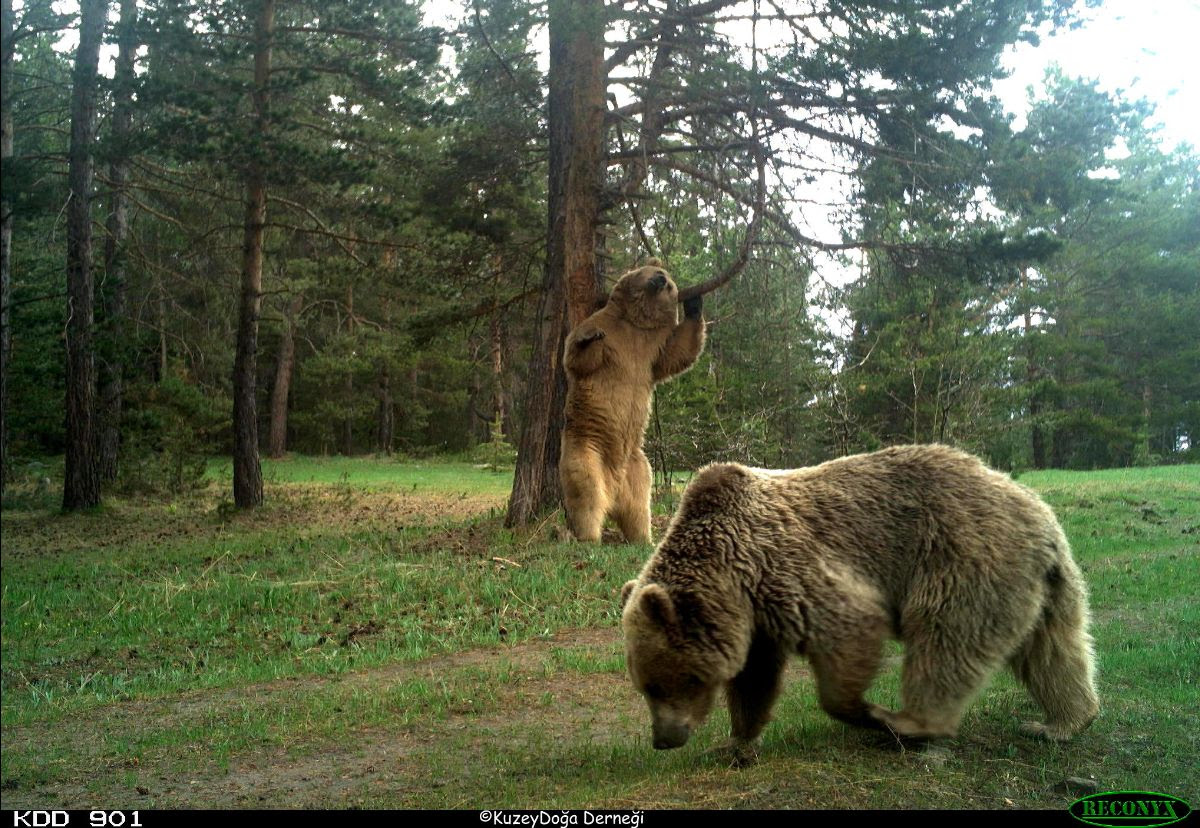
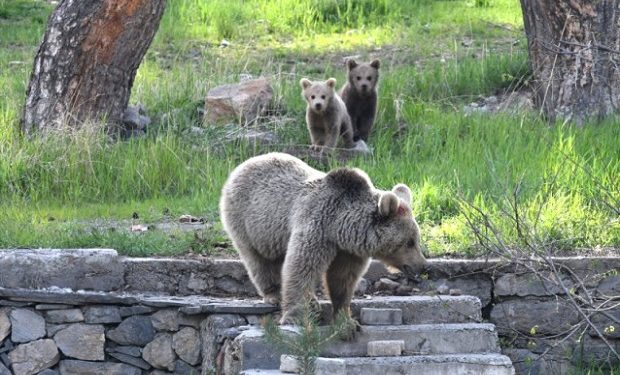
Brown Bear (Ursus arctos): It is Sarıkamış's largest mammal and one of the key species of the ecosystem. Brown bears in the region have been tracked with satellite transmitters through the work of KuzeyDoğa Association and have entered the scientific literature as the world's first migratory bears. This migration is proof of the region's ecological corridor extending to the Caucasus.
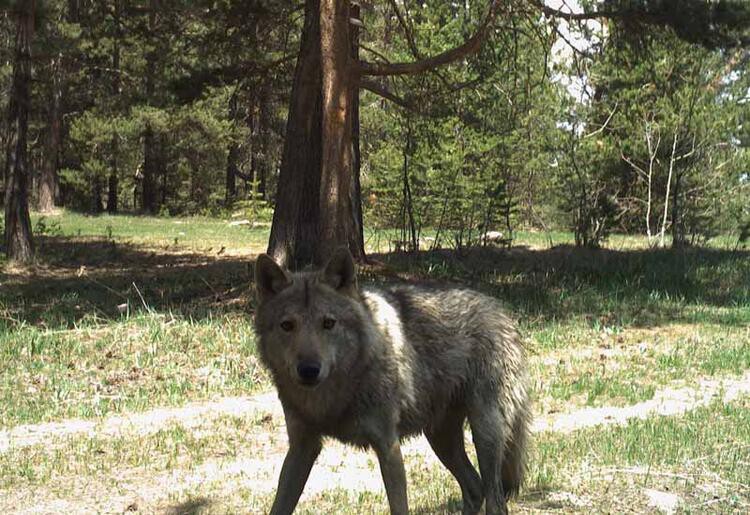
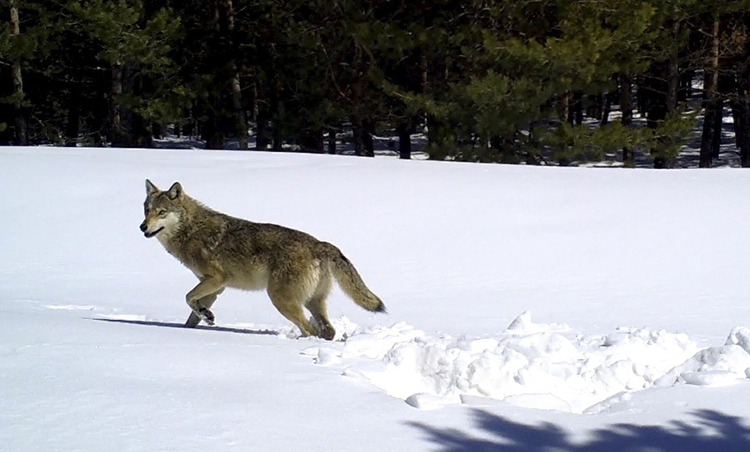
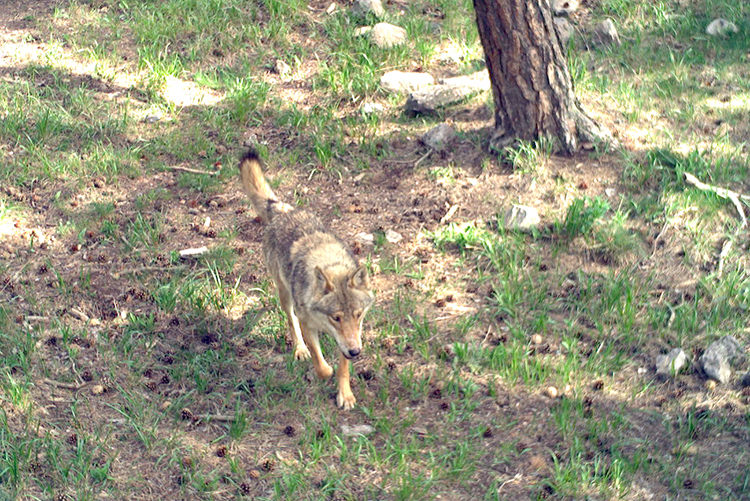
Wolf (Canis lupus): It is the region's most important predator. Wolves, whose population is quite healthy, maintain balance in the ecosystem by keeping the numbers of herbivorous animals such as deer and wild boar under control.
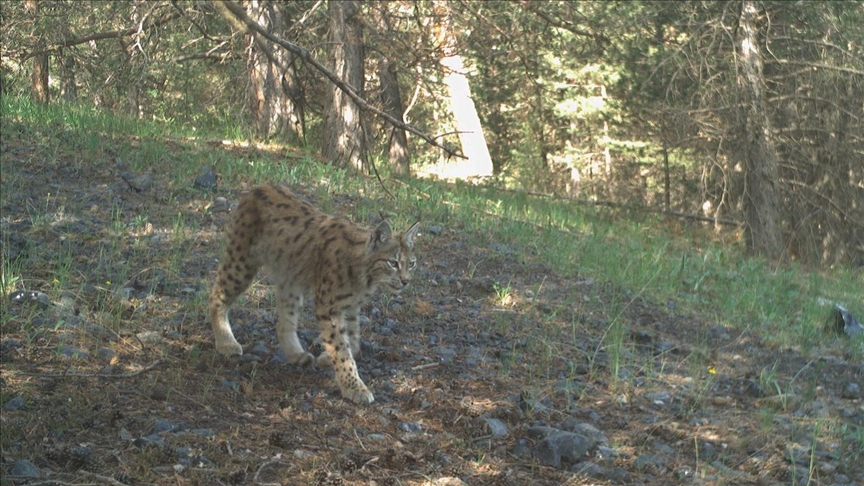
Lynx (Lynx lynx): It is the mysterious hunter of yellow pine forests. This rarely seen species is an important indicator of the region's biodiversity.
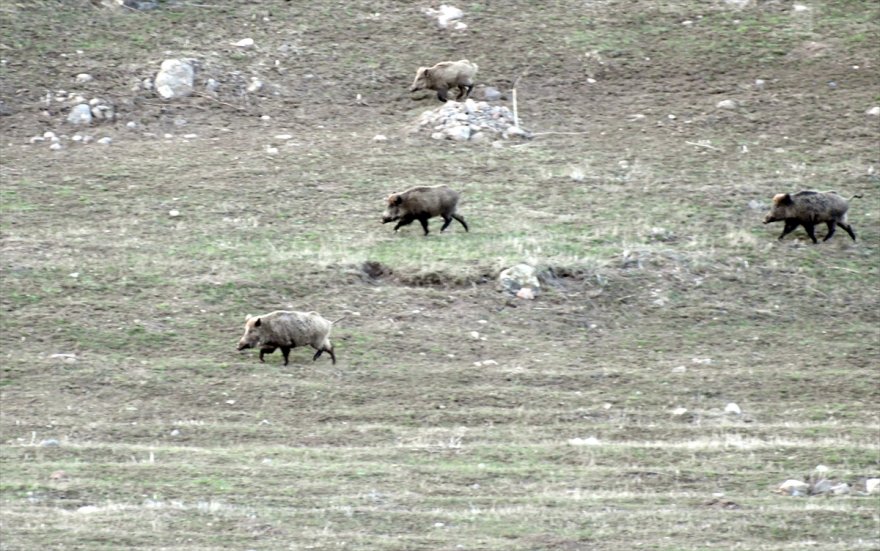
Wild Boar (Sus scrofa): It has a large population in forested areas and forms one of the main food sources for brown bears and wolves.
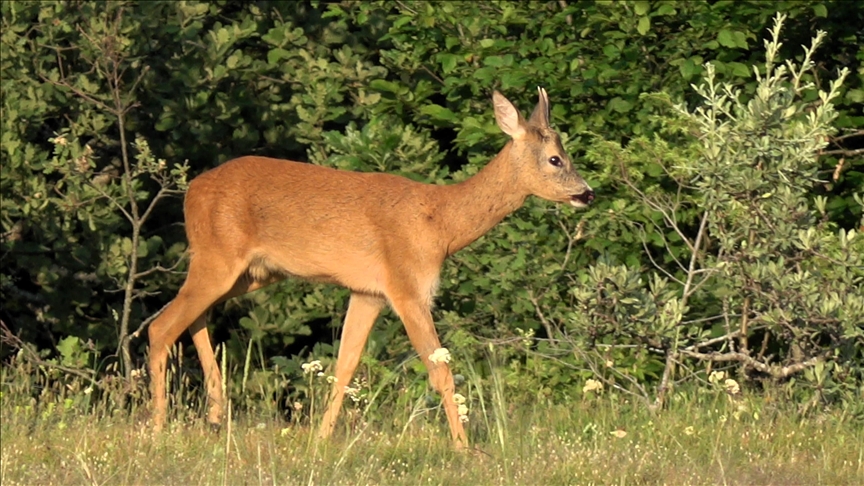
Roe Deer (Capreolus capreolus): It is an elegant and sensitive mammal species that lives in the inner parts of forests.
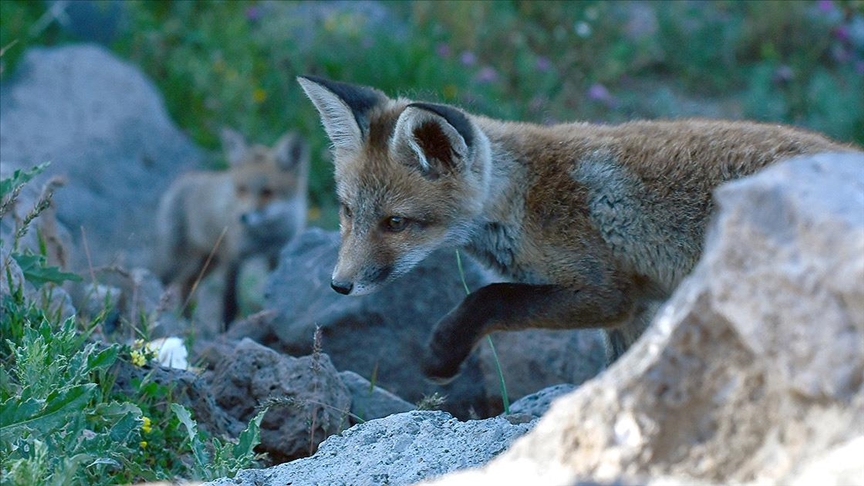
Red Fox (Vulpes vulpes): It is a predator with high adaptation ability that can be seen even in areas close to settlements. They can come down to settlements when they are hungry in winter months.
Sarıkamış's wildlife is not limited to mammals. While the ponds and wetlands in the region host water birds such as ruddy shelduck, bird species such as partridge, wild pigeon and falcon are also observed in forested areas.
Ecological Corridor and Conservation Efforts
Sarıkamış's ecological importance stems not only from within its own boundaries, but also from being part of Turkey's first wildlife corridor project. This corridor helps preserve genetic diversity by connecting the bear, wolf and lynx populations in Sarıkamış forests to larger forested areas in the Caucasus.
However, this rich wildlife faces threats such as overhunting and the expansion of human settlements towards forests. Therefore, monitoring studies with camera traps and conservation projects in the region are vital for passing Sarıkamış's natural heritage to future generations.
Conclusion
Sarıkamış is a geography where harsh continental climate prevails, but despite this challenge, it has unique natural wealth. The unique flora of yellow pine forests offers a refuge to rich fauna ranging from brown bears to lynxes. Sarıkamış's nature is not just a landscape, but also a valuable heritage that needs to be preserved for ecological balance and wildlife. Preserving this heritage is a critical responsibility for the future of the region and Turkey's biodiversity.
Sources
Climate and Geography
Official Institutions and Encyclopedic Information
- Sarıkamış Municipality Official Website (sarikamis.bel.tr)
- Wikipedia
- Weather Data Websites
Yellow Pine Forests and Flora
News Agencies and Travel Guides
- Anadolu Agency (aa.com.tr)
- Travel Guide Websites (gezibilen.com)
Wildlife (Fauna)
Scientific Studies and Conservation Organizations
- KuzeyDoğa Association studies
- National Parks Association (nationalparksassociation.org)
- Hürriyet Daily News
- Anadolu Agency
Ecological Corridor
Scientific Publications and News
- Scientific articles and news about Turkey's first wildlife corridor