




Sarıkamış Operation and the Memory of Our Martyrs
Historical Background:
The Sarıkamış Operation, an important milestone in the conflicts between the Ottoman and Russian armies on the Caucasus Front of World War I, took place between December 22, 1914 and January 6, 1915. The Ottoman 3rd Army entered this operation with the aim of retaking Kars, Ardahan and surrounding provinces that had been lost to Russian occupation. The strategic objective of the operation was to prevent the Russians from reaching the warm seas. During this period, Ottoman units on the Caucasus front had achieved some successes. However, the severe blizzard that hit the region in mid-November had led commanders to make a cautious decision to retreat. Nevertheless, Enver Pasha decided to launch a major winter offensive despite these warnings. Thus, the historical ground was prepared for this tragedy that would result in heavy losses.
Enver Pasha's Plan and the 3rd Army:
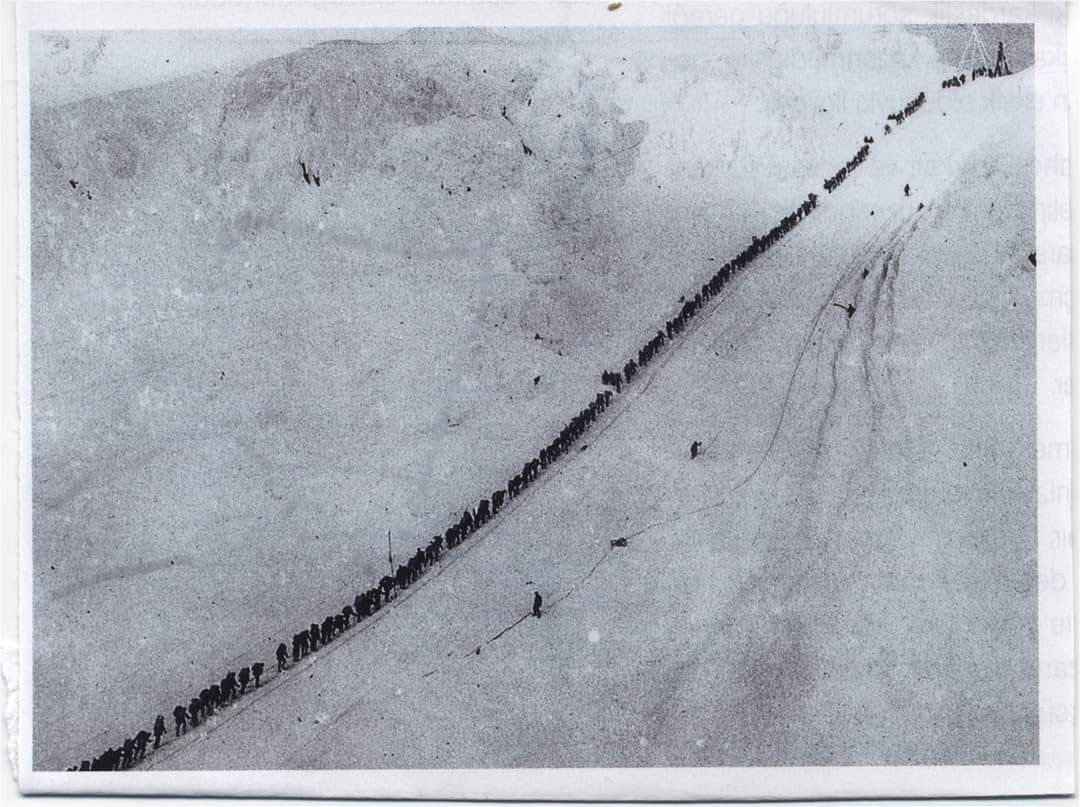
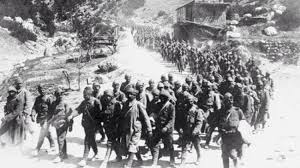
Enver Pasha commanded the operation as deputy commander-in-chief. The plan, however, had been prepared by Hasan İzzet Pasha, the commander of the 3rd Army at that time. On December 19, 1914, Enver Pasha published the siege plan as an army order. Accordingly, the three corps of the 3rd Army (9th, 10th and 11th Corps) would encircle the Sarıkamış region with a multi-directional attack through the Allahuekber and Soğanlı mountain passes. This large army, consisting of approximately 90,000 soldiers, was directed to a difficult winter battle. Hafız Hakkı Bey, commander of the 10th Corps, convinced Enver Pasha by predicting that this attack could succeed before winter intensified. Thus, the operation order was finalized.
Geographical and Climate Conditions:
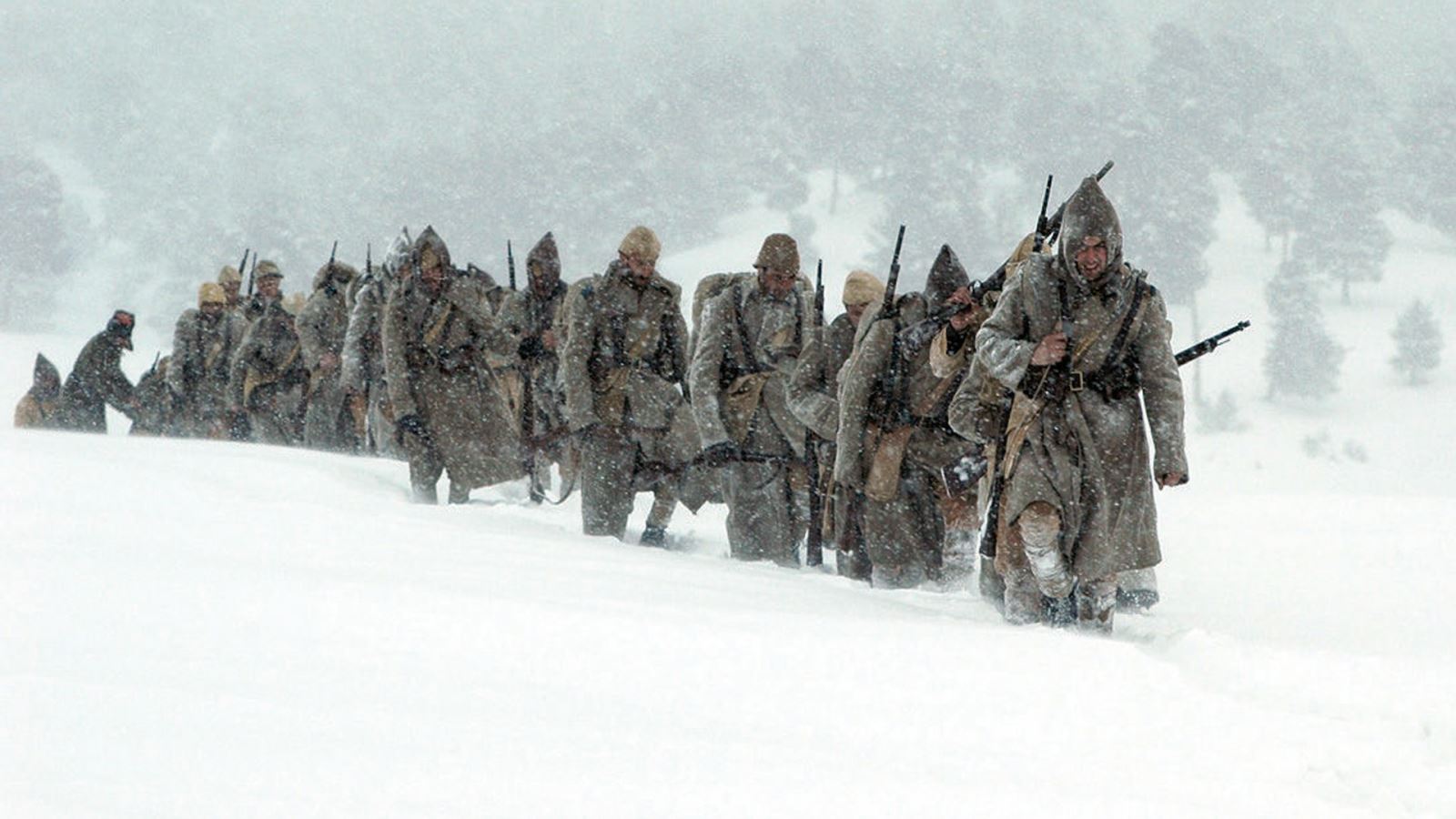
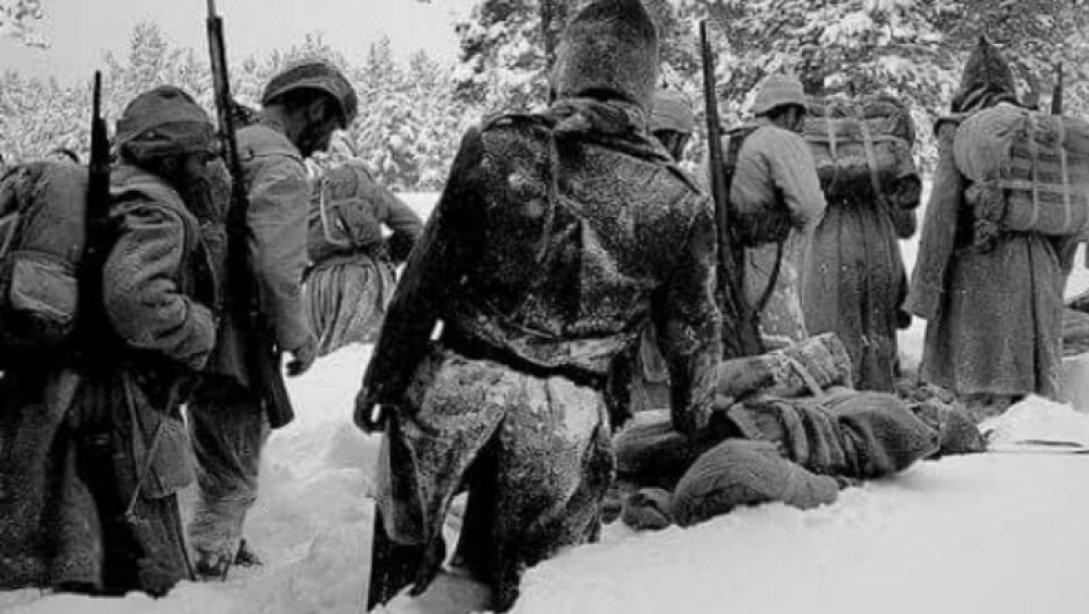
Sarıkamış is a high-altitude region where the Allahuekber and Soğanlı mountains intersect, reaching 2000–3000 meters. During the winter months, days of heavy snowfall and storms lowered temperatures to -20, -30 degrees. The vast majority of Ottoman soldiers came from more temperate climate regions and were not prepared for harsh winter conditions. They tried to advance in this difficult terrain with summer clothing, light boots and insufficient supplies. The heavy snow cover, steep paths and geography that made transportation nearly impossible disrupted the order of the units and caused great difficulties.
Difficulties Faced by Soldiers:
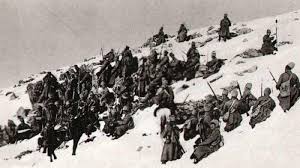
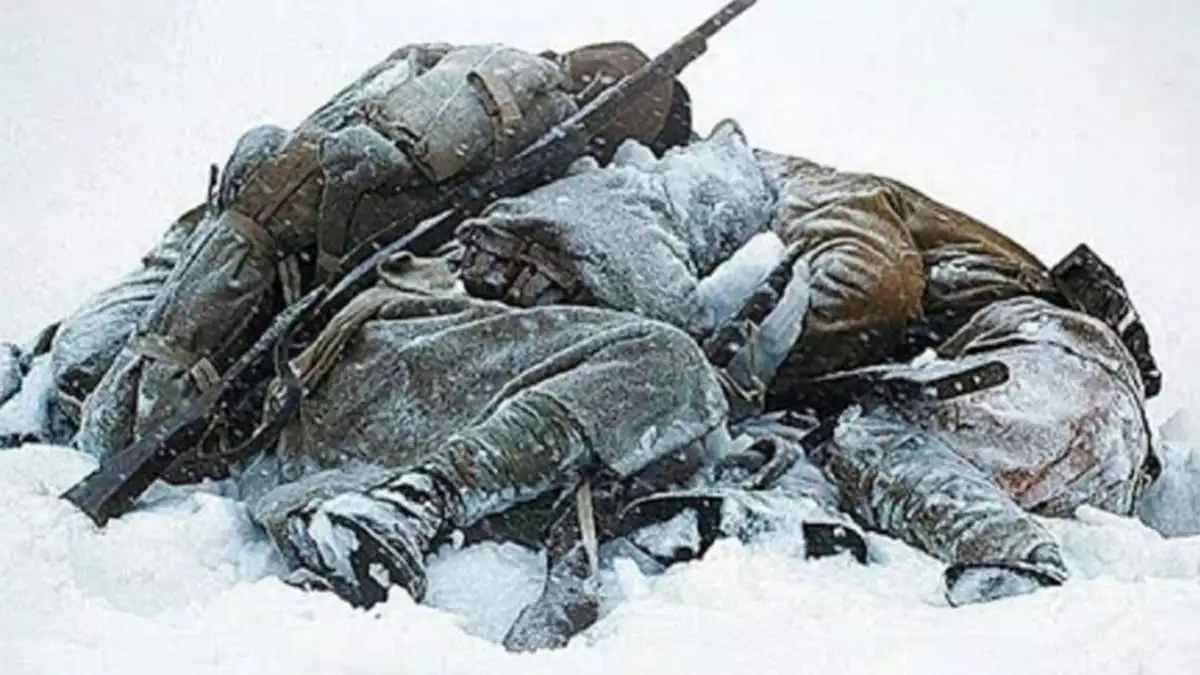
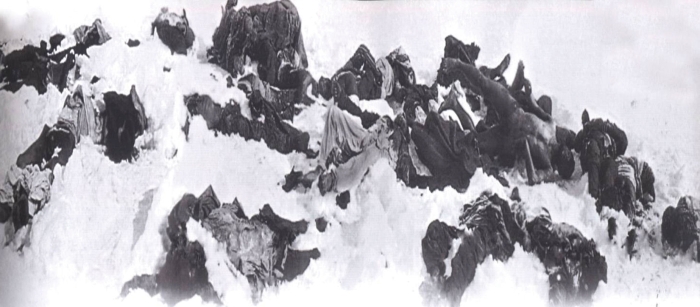
This operation was like hell for Mehmetçik. Freezing, along with hunger, thirst and lack of shelter, became the greatest enemy. According to Staff Officer Şerif Bey's account; soldiers were found on the roads in a state of madness, gnawing on snow, and in many places thousands of people had to be left under the snow and passed by. The images conveyed by Russian officers were also chilling: soldiers frozen in a kneeling position, unable to pull the trigger of their Mauser rifles, those carrying ammunition, commanders who remained standing upright but froze to death... Thousands of Mehmetçik who froze to death had made the snow their shroud. More losses were suffered from the cold than from combat.
Results of the Operation and Losses:
Although Ottoman forces shook the area around Sarıkamış as of January 5, 1915, the main objective of Kars and its surroundings could not be retaken. Approximately 80% of the 3rd Army was put out of action. While the number of martyrs on the Ottoman side is given as around 60,000 in most sources, this number rises to 70–80,000 in some assessments. The Russians also suffered approximately 30,000 losses. Thus, the Sarıkamış Operation was recorded as a heavy defeat for the Ottomans and deeply shook morale in the general course of the war.
Monuments and Commemoration Ceremonies in Memory of the Martyrs:
Various monuments and martyrdom sites have been built in Sarıkamış and its surroundings to keep the memory of our martyrs alive. The martyrdom site within the Allahuekber Mountains National Park hosts the eternal rest of thousands of nameless soldiers. The statues of the soldiers, together with the monuments, convey what happened to visitors like silent narrators. The Sarıkamış Martyrs Monument in Kars city center and the giant Turkish flags are symbols of this sacred sacrifice. Every year in the first week of January, thousands of citizens march to Sarıkamış with flags and torches in their hands to commemorate the martyrs. These marches are a moment of respect for the heroes who are frozen but not forgotten in the nation's memory.
Today's Memory and Social Impact:
The Sarıkamış Operation is a name of pride mixed with sorrow in the memory of Turkish society. Even if hundreds of years pass, the tears that flow when "Sarıkamış" is mentioned do not stop. Every child who has heard stories about Sarıkamış from their grandfathers knows the price of these lands. This great tragedy is passed on to future generations through commemorative events held every year, official programs and marches in which young people participate. Sarıkamış is an epic that came before Çanakkale, and the Allahuekber Mountains are the silent witness of this epic. This story of heroism continues to live today as one of the highest examples of love of country and sacrifice.
Sources
- tr.wikipedia.org – "Sarıkamış Operation" article
- baskentgazete.com.tr – Sarıkamış special news
- sarikamis.bel.tr – Sarıkamış Municipality official page
- ayder.com.tr – Allahuekber Mountains and martyrdom site information
- gazetekars.com – Commemoration ceremonies and monument news