





Sarıkamış, Kars and Erzurum Cuisine: The Richness of Eastern Anatolia's Table
The Eastern Anatolia Region is one of Turkey's most unique geographies with its harsh climate conditions, high-altitude plateaus and deep-rooted history. The culinary culture of this geography has also developed its own richness based on the region's difficult living conditions, livestock-based economy and interaction with neighboring cultures such as the Caucasus and Iran. Sarıkamış, Kars and Erzurum are the most prominent representatives of this rich culinary tradition. This article examines the local dishes, cultural contexts and places on the tables of these three important centers with an in-depth study of approximately 1500 words.
Kars Cuisine: Capital of Goose, Cheese and Pastries
Kars cuisine is based on animal husbandry, which is the main source of livelihood in the region. This has led to the dominance of meat, milk and dairy products (especially cheese varieties) and flour and legumes used abundantly for winter preparation in the kitchen. Kars' food culture is also focused on being nutritious and filling that will provide energy during long winter months.
Kars Goose and Tandır Goose
The undisputed most famous and culturally most important dish of Kars cuisine is Kars Goose. Goose breeding in Kars is not only an economic activity but also a deep cultural tradition. Geese are usually fed in autumn and slaughtered in winter, then salted and frozen. This provides an important source of protein that can be consumed throughout the winter.
Goose is usually prepared as Tandır Goose. The goose cooked in tandır becomes very tender and delicious. Goose fat is used in rice making and this rice is served alongside the goose. Goose dish is a crown jewel of the table, especially prepared for winter months and special guests. Academic studies show that even those who migrated from Kars continue this tradition and that goose dish is decisive in the continuity of Kars culinary culture.
Pastries and Mantı
Pastries in Kars cuisine stand out in terms of variety and mastery. These dishes that adorn the tables during long winter nights and guest hosting are usually prepared with basic ingredients such as flour, water and eggs.
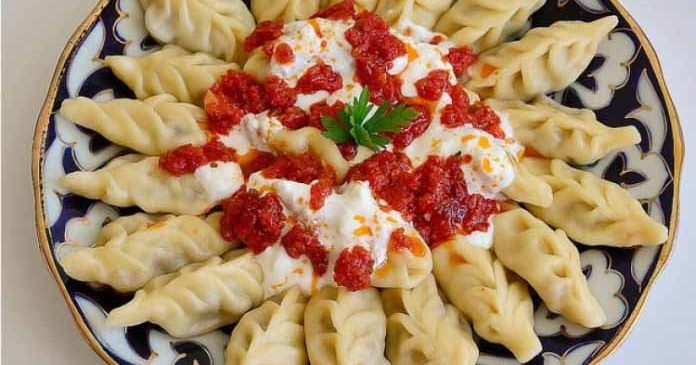
Hangel (Hıngel): It is Kars' famous type of mantı. Dough cut in triangular or square shapes is boiled and served with garlic yogurt and onions fried in heated butter poured on top. It is also known as "onion mantı" in Kars. Main ingredients: Flour, water, egg, onion, yogurt, butter.
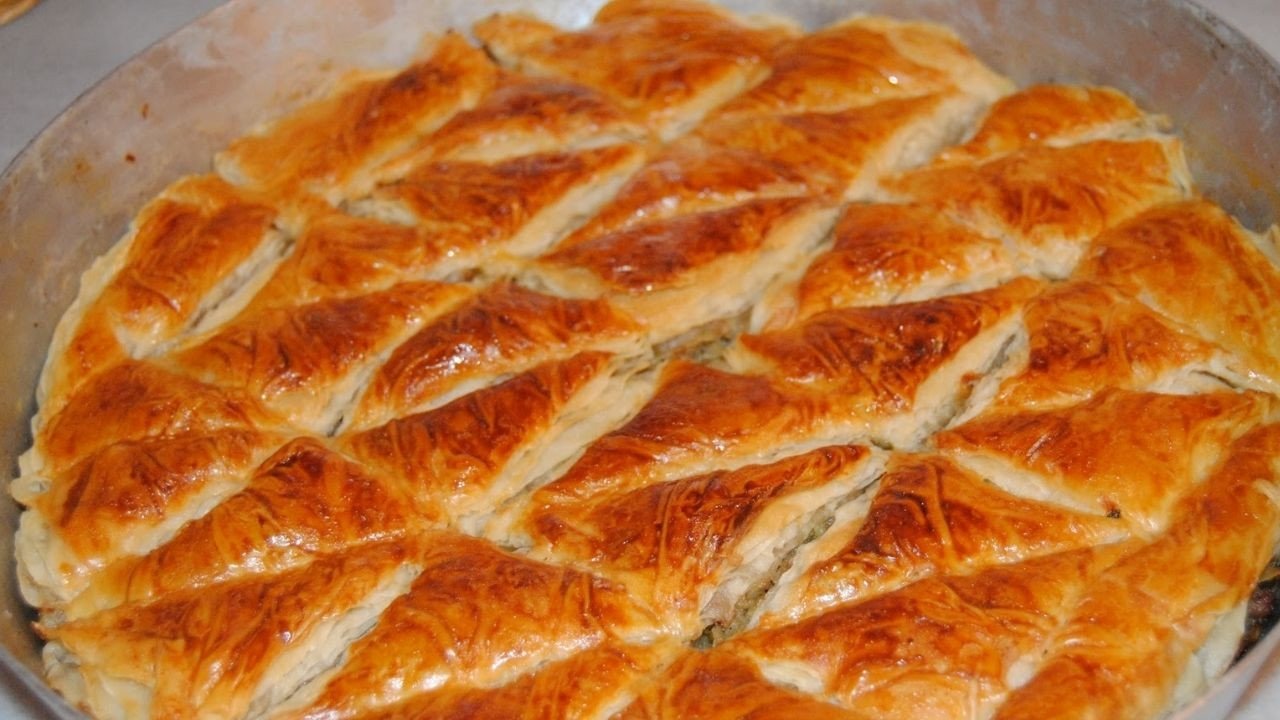
Kars Börek: A layered börek variety made by placing cheese or minced meat between thinly rolled yufka, usually baked in the oven. Main ingredients: Yufka, cheese/minced meat, butter.
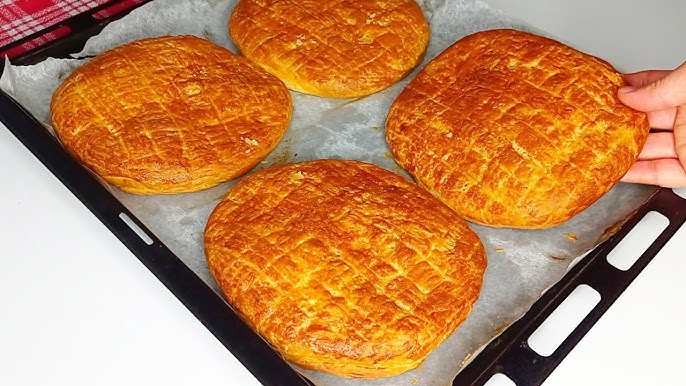
Kete: A regional type of pastry or börek made from leavened dough, filled with fatty or cheesy filling. It is known for keeping you full for a long time. Main ingredients: Flour, yeast, butter, filling (fat/cheese).
Noodle Pilaf: Prepared by boiling homemade noodles and frying them in butter. Sometimes also made with potatoes or lentils, it is a filling main dish. Main ingredients: Noodles, butter, lentils/potatoes (optional).
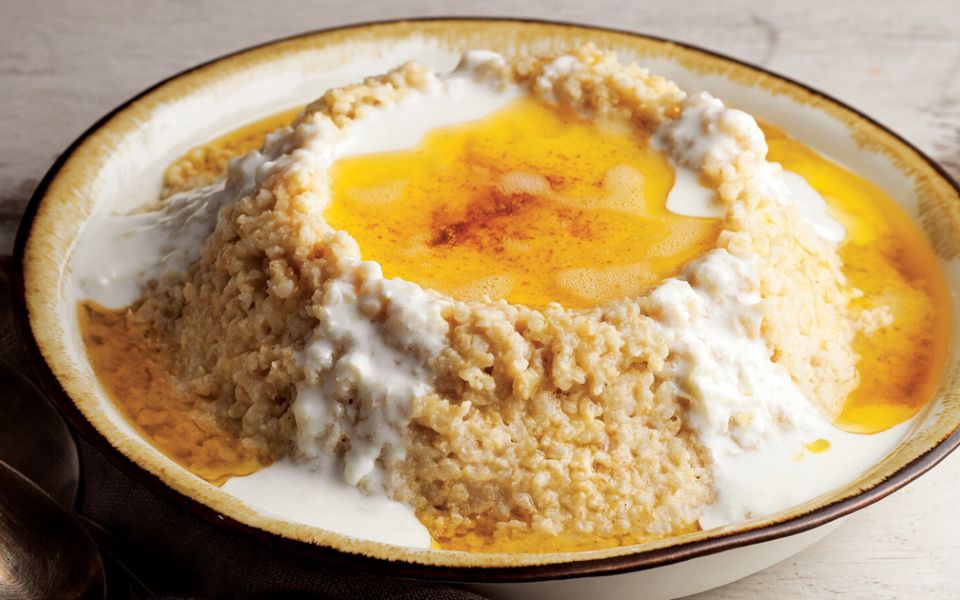
Haşıl: A traditional dish made by pounding boiled wheat (ashure wheat) into puree and serving it with garlic yogurt and heated butter poured on top. Main ingredients: Wheat, yogurt, butter.
Kars Cheeses: Geographically Indicated Flavors
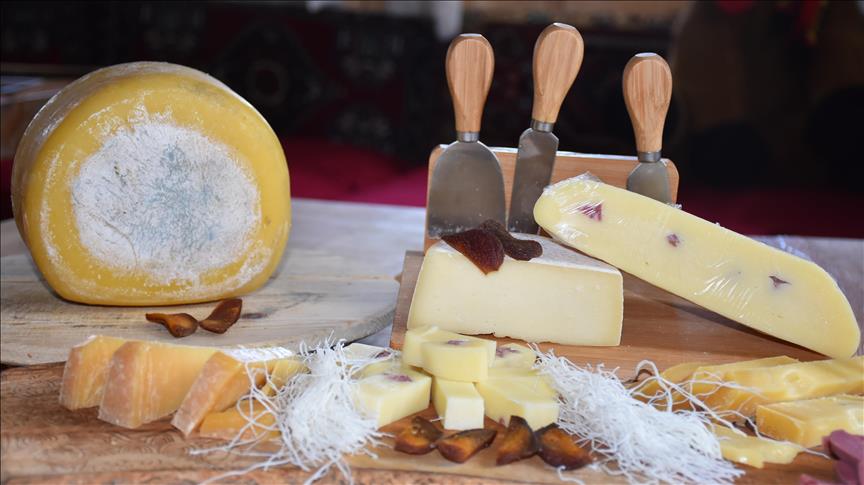
Kars is a center that stands out with its geographically indicated products in Turkey's cheese production. The cheeses produced in this city, which is the heart of animal husbandry, bring the richness of the region's flora to the tables.
Kars Gruyere: A hard and aromatic cheese produced in large wheels, known for its similarity to Switzerland's Gruyère cheese. It is one of Kars' most important geographically indicated products.
Kars Kaşar (Old Kaşar): A cheese variety that is aged for a long time, with its own unique taste and aroma.
Çeçil Cheese: A type of cheese that separates into strings, salty and fat-free.
Sarıkamış Cuisine: Forest and Plateau Breezes
Sarıkamış, a district of Kars, carries the general characteristics of Kars cuisine thanks to its unique geographical structure (pine forests and high plateaus), while also containing some unique flavors. Sarıkamış cuisine is enriched especially with herbs and fruits collected from nature.
Among the local flavors of Sarıkamış, the following stand out:
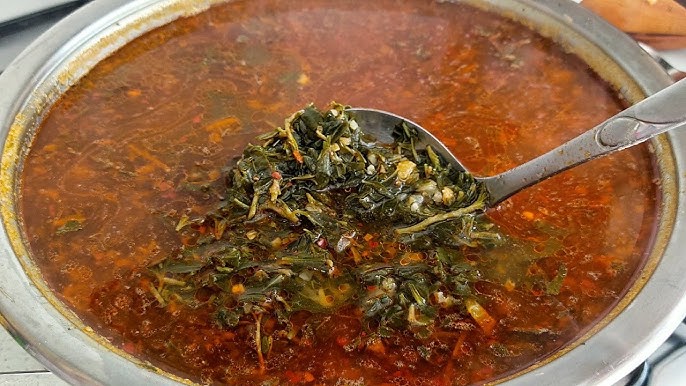
Nettle Soup: A soup made with nettle that grows naturally in the region, believed to be both nutritious and healing.
Kuşekmeği Soup: Another herb soup unique to Sarıkamış, made using the kuşotu (kuşekmeği) plant.
Umaç Halva: One of the indispensable desserts of winter months, made by roasting flour in butter.
Stuffed Apple: A unique dish that combines sweet and savory flavors, made by hollowing out the apple, filling it with minced meat filling and cooking it.
Mihriban Pilaf: A type of pilaf unique to Sarıkamış, made on special days.
Sarıkamış cuisine blends Kars' meat and pastry-heavy structure with flavors from the region's natural vegetation, offering lighter and herb-based alternatives.
Erzurum Cuisine: Cağ Kebabı and Table Diversity
Erzurum cuisine has been influenced by Caucasian, Iranian and Black Sea cuisines due to its geographical location, thus achieving a very rich and diverse structure. Erzurum's culinary culture stands out especially with the intensive use of milk and dairy products, soup variety and unique types of stuffed dishes and meatballs.
Cağ Kebabı: Erzurum's Worldwide Representative
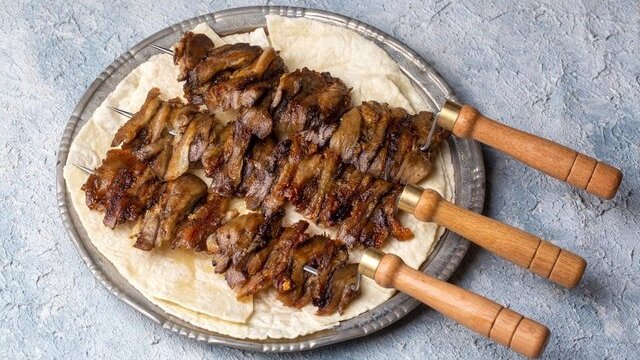
When Erzurum cuisine is mentioned, the first dish that comes to mind is undoubtedly Cağ Kebabı. This kebab made from lamb meat cooked on a horizontal skewer over wood fire goes through a special marination process. It is served on small skewers called cağ. Cağ Kebabı is Erzurum's most important symbol in gastronomy tourism.
Soups: Indispensable for Winter Tables
Soups have great importance in Erzurum cuisine, both as starters and main dishes. Nutritious soups that warm the insides during long and cold winter months are indispensable for Erzurum tables.
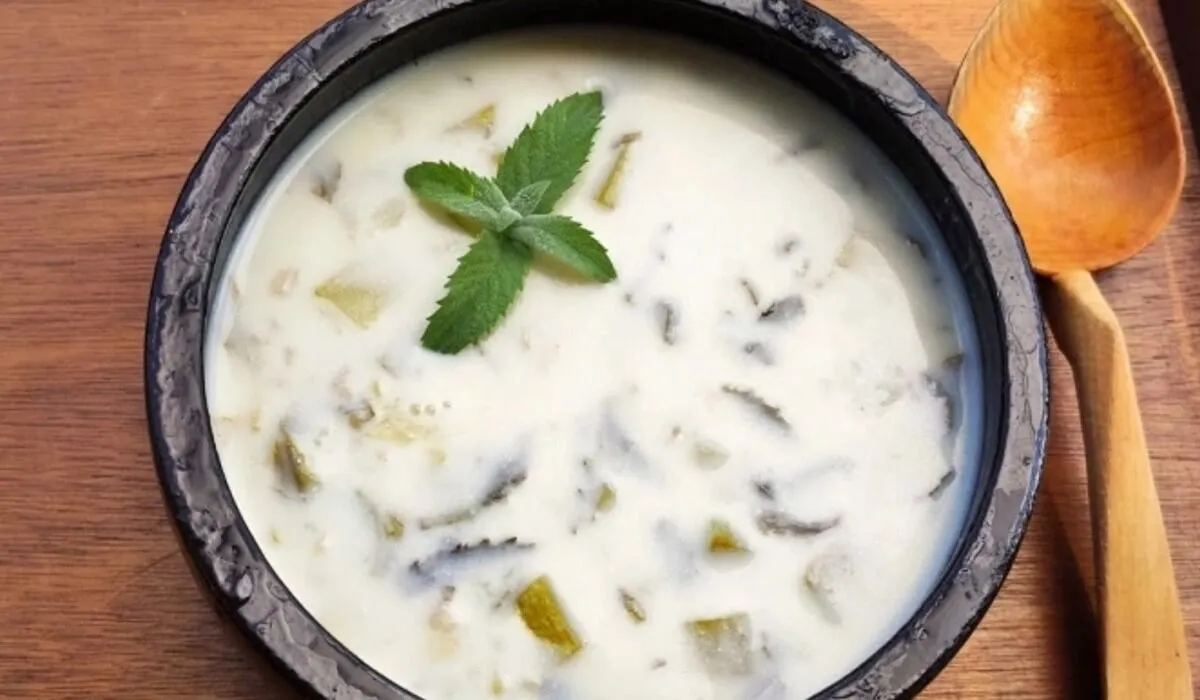
Ayran Aşı (Yogurt Soup): A traditional soup prepared with boiled wheat, yogurt and soup meatballs, served with aşotu (coriander) sprinkled on top. The local name comes from being made with the ayran accumulated in the churn while making butter. Cultural note: Salt is added last so that the yogurt does not curdle.
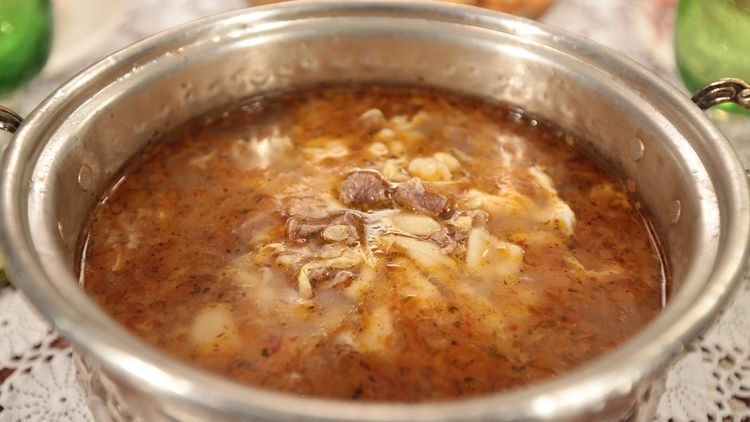
Kesme Aşı: A soup made with green lentils, noodles and soup meatballs, with tomato paste and spices. It is frequently consumed in winter months. Cultural note: Noodles are cut into strips from dough made with flour, salt, egg and water.
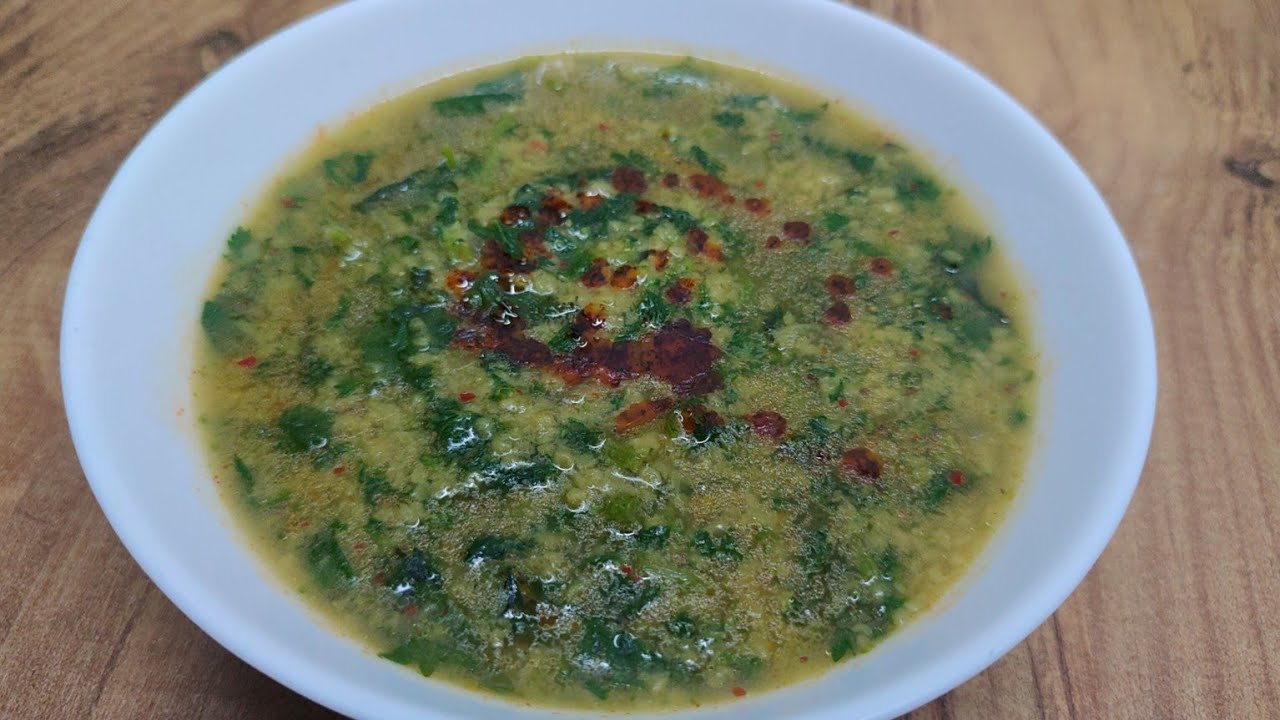
Herle Aşı (Flour Soup): A light and nutritious soup made by roasting flour and butter, mostly known as a sick person's soup. Cultural note: Consistency is achieved by leaving small flour lumps inside.
Hokkıri: A filling soup made by boiling small dough balls (similar to mantı) with pastırma, chicken or pieces of meat. Cultural note: The dough is shaped by pressing with fingers.
Main Dishes and Stuffed Dishes
Erzurum cuisine's main dishes are rich in terms of stuffed dishes, meatballs and meat dishes.
Lor Dolması: Made by wrapping a mixture of rice bulgur, cottage cheese and cream in boiled evelik (sourish green leafy plant) or chard leaves. It is served with garlic yogurt and butter after being baked in the oven.
Turnip Dolması: Made by filling turnips cut in rings and boiled with minced meat, bulgur or rice filling. It is believed to be beneficial for the digestive system.
Gılikko: Made by kneading rice bulgur with flour, salt and black pepper into small round meatballs and boiling them. It is served with garlic yogurt and butter poured on top.
Çortutu Pancarı: A traditional dish famous for its sourish taste, made from pickled turnips. It is accepted as a cure for diseases. Chopped pickled turnips, bulgur and optionally roast or minced meat are cooked together.
Desserts and Breakfast Items
Erzurum cuisine also stands out with its dessert and breakfast varieties.
Stuffed Kadayıf: A famous dessert unique to Erzurum, made by wrapping walnuts inside thin string kadayıf and soaking it in syrup. It offers a crispy outside and soft inside flavor.
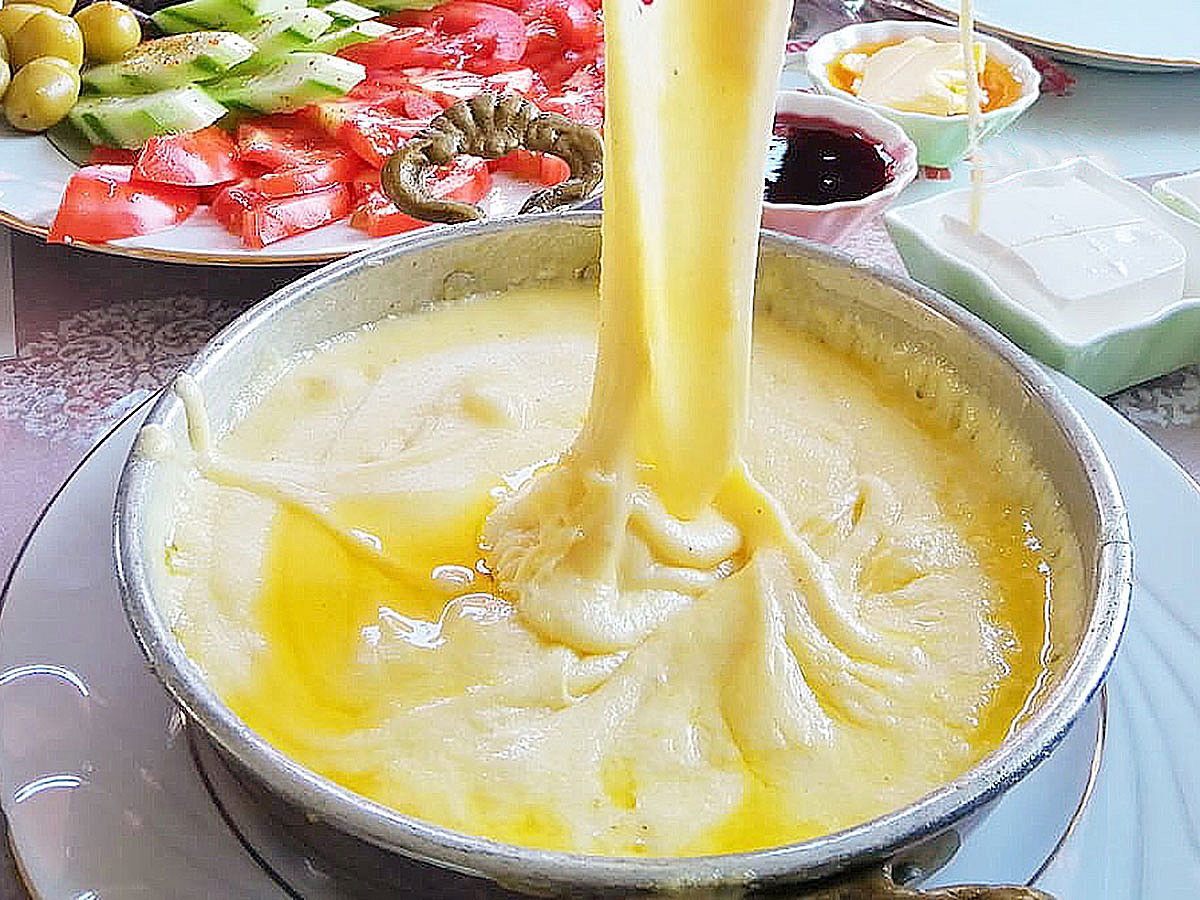
Cheese Kuymağı: A filling breakfast item served hot, made by breaking eggs over fresh civil cheese or fatty cheese melted in butter.
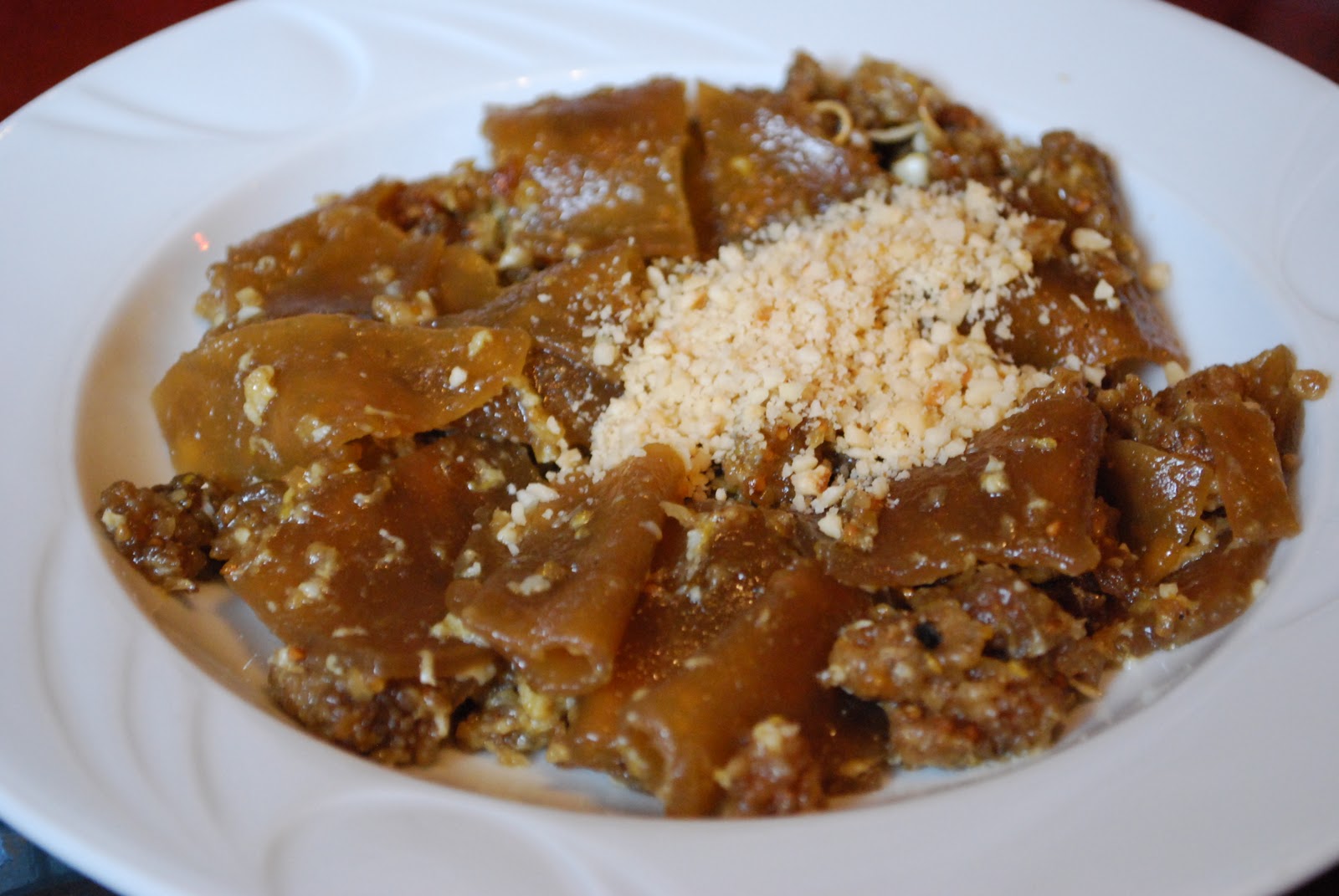
Pestil Çullaması: A breakfast tradition especially common in Tortum district, made by mixing pestil broken by hand with eggs and cooking it in the form of an omelet.
Common Denominators of Eastern Anatolian Cuisine: Animal Husbandry and Winter Preparation
Although Sarıkamış, Kars and Erzurum cuisines have their own unique flavors, they have strong common denominators arising from the common geographical and cultural conditions of the Eastern Anatolia Region. These common denominators are the fundamental elements that determine the character of the regional cuisine.
The Determining Role of Animal Husbandry
The region's high-altitude plateaus and wide pastures have made animal husbandry the main source of livelihood for centuries. This has led to the cuisine being meat and dairy product-heavy. Kars' famous goose, the lamb meat used for Erzurum's cağ kebabı and the cheese varieties of both provinces (Gruyere, Kaşar, Civil, Çeçil) are direct reflections of this animal husbandry culture. Milk is used intensively not only in cheese and butter making, but also in soups like Ayran Aşı and main dishes like lor dolması. Animal fats, especially butter, are used generously to add rich flavor to dishes.
Winter Preparation and Storage Methods
The long and harsh winters of Eastern Anatolia have made it necessary to develop special methods for storing and preserving food. Winter provisions preparation constitutes an important part of this culinary culture.
Meat Storage: Salting and freezing goose in Kars or making roast in Erzurum are among the most common ways to store meat for a long time.
Grains and Legumes: Grains such as flour, noodles, bulgur and lentils are stored as basic food sources in winter months. Dishes like Kars' noodle pilaf and Erzurum's Kesme Aşı are creative uses of these stored materials.
Pickling and Drying: Turnip pickles, as in Erzurum's Çortutu Pancarı, are a traditional method used for consuming vegetables in winter. In addition, drying and storing fruits and vegetables is also common in the region.
These common features show how deep-rooted a culture the regional cuisine has, not only in terms of taste but also in terms of sustainability and durability.
Conclusion
Sarıkamış, Kars and Erzurum cuisines are a reflection of Eastern Anatolia's challenging but fertile geography. Kars brings the power of animal husbandry to the tables with its goose and cheeses; Sarıkamış brings the richness offered by nature with its herb soups and unique stuffed dishes; Erzurum brings the diversity of cultural interaction to the tables with flavors like Cağ Kebabı, Ayran Aşı and Stuffed Kadayıf. These cuisines are not just lists of dishes, but also living heritage that reflects the history, lifestyle and cultural identity of the region's people.
This article has comprehensively examined the local flavors of these three important cities of Eastern Anatolia and revealed their cultural contexts with a depth of approximately 1500 words.
Sources
- Kars Regional Food Culture. Kars Provincial Directorate of Culture and Tourism
- What to Eat? - Erzurum's Local Dishes. Erzurum Provincial Directorate of Culture and Tourism
- Şen, M. A. (2021). A Research on Determining the Usage Status of Kars Culinary Culture by Kars People Who Migrated to Kocaeli. Eastern Geography Journal, 26(45), 257-266
- Sarıkamış Local Dishes. Sarıkamış Municipality. https://www.sarikamis.bel.tr/yore-mutfagi
- Erzurum Dishes: 19 Local Recipes from Erzurum Cuisine. Lezzet.com.tr. https://www.lezzet.com.tr/lezzetten-haberler/erzurum-yemekleri